
Starting January15, 2024
The transformative power of the 21 Days Fast and Prayer is truly remarkable. As we embark on this sacred journey, we commit ourselves to a season of deep introspection, spiritual growth, and surrender to God's will. During these cherished days, we intentionally set aside worldly distractions and immerse ourselves in prayer, seeking divine guidance, enlightenment, and renewal. It is in this dedicated time of fasting and communing with the Creator that we find solace, draw closer to our faith, build resilience, and experience profound blessings. Join us on this consecrated path as we embrace this annual tradition, knowing that through our collective prayers and fasting, we not only transform ourselves but also impact the world around us with the light of God's love and grace.

What is prayer?
Prayer, an integral aspect of religious devotion, serves as a profound and personal connection with the Divine. It transcends cultural and religious boundaries, offering individuals a means to express gratitude, seek guidance, and find solace. At its core, prayer acts as a bridge between the human and the divine realms, fostering an intimate communion with a higher power. This sacred practice allows individuals to lay bare their innermost thoughts, desires, and concerns, creating a space for introspection, contemplation, and surrender.
Engaging in prayer is an invitation to enter into communion with the divine presence that permeates all aspects of creation. This connection goes beyond the constraints of time and space, enabling individuals to unite their spirits with the boundless nature of God/Goddess's love, compassion, and wisdom. As a transformative practice, prayer nurtures spirituality, deepens the connection with the Divine, and guides the journey toward growth and understanding. It beckons individuals to embrace humility, seek forgiveness, cultivate gratitude, and extend compassion, both to themselves and others. In the universal human quest for meaning and connection, prayer stands as an ongoing dialogue between the human and the divine, a sacred conversation that transcends words and understanding. Embracing prayer as a transformative practice, individuals of faith embark on a journey of self-discovery and alignment with the divine will, trusting in the profound impact of this timeless act of communication with the Divine.
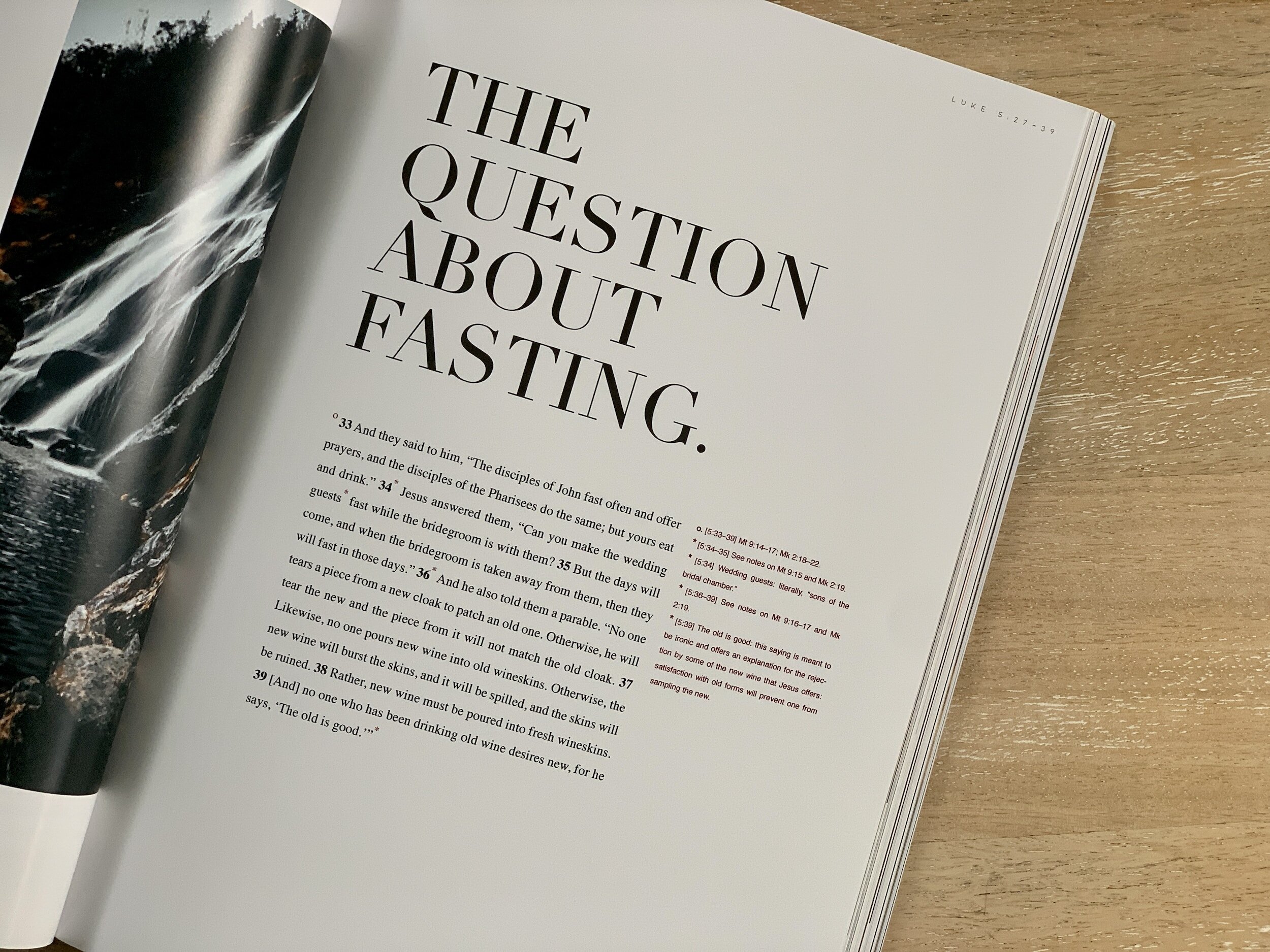
The Significance of Fasting as a Spiritual Practice
Fasting, deeply ingrained in various religious traditions, holds profound significance, especially in Christianity. Beyond its physical dimension, fasting serves as a spiritual discipline that enhances our connection with the Divine, whether addressed as God, Goddess, or simply the Divine presence. In the midst of our modern, fast-paced lives filled with distractions, fasting provides a dedicated space for concentrated attention on the sacred. This practice extends beyond abstaining from food and drinks, encompassing the voluntary relinquishment of worldly indulgences like technology, social media, or negative thoughts. The intentional detachment from both the physical and non-material realms heightens spiritual awareness, emphasizing our yearning for the Divine's presence and fostering self-discipline and intentionality.
Furthermore, fasting acts as a catalyst for personal growth, humility, and empathy. Beyond abstaining from physical nourishment, it involves relinquishing material comforts and harmful habits, cultivating gratitude for blessings and nurturing empathy for those facing spiritual or emotional hunger. This transformative journey of self-reflection and renewal allows us to assess priorities, seek Divine guidance, and shed old habits, guiding us on a transformative journey of faith. In essence, fasting emerges as a holistic practice that deepens our relationship with the Divine, fostering virtues consistent with spiritual teachings.

Meditation in Christian Traditions
Meditation, rooted in the Latin word "meditatio," meaning "to ponder" or "to reflect," holds ancient significance within African and Eastern Christian traditions. This practice, dating back to early Christianity, finds its origins in the 3rd century with the Desert Fathers and Mothers, who sought solitude and silence for a profound encounter with the divine. Influential mystics like Julian of Norwich, Meister Eckhart, and Teresa of Ávila incorporated meditative practices, emphasizing inner silence and direct communion with God.
Christian meditation techniques include the well-known Lectio Divina, involving contemplative reading and reflection upon scripture, and Centering Prayer, popularized by Father Thomas Keating, where practitioners repeat a sacred word or phrase for a contemplative experience of God's presence. Beyond spirituality, Christian meditation provides stress management, inner peace, and increased self-awareness. It deepens scripture understanding, fostering a personal relationship with God. In the contemporary era, Christians are increasingly embracing meditation, with churches offering groups and retreats, recognizing its profound benefits for spiritual growth. As we approach the new year, let us consider integrating meditation into our lives, finding moments of peace and divine connection in the midst of life's chaos.
Liberation 21 Days Fast, Prayer, and Meditation Daily Guide
Below we have provided a few suggestions of possible fasts:
+ 21 Day Liquid Fast — Give up solid foods, drinking only liquids
+ 21 Day Daniel Fast — Fruits and vegetables only
+ 21 Day Selective Fast — Remove certain elements from your diet
+ 21 Day Media Fast — Give up social media & television
+ 7 Day Fast — Fast with us for 7 days
+ Lunch Fast — Fast with us over lunch each day
+ Once A Week Fast — Fast one day of the week (ie: Wednesday)
+ Create Your Own Fast — Ask God what you can give up
-
Day 1: Christ Consciousness
Scripture:
Let this mind be in you which was also in Christ Jesus: Who, existing in the form of God, did not consider equality with God something to be grasped, but emptied Himself, taking the form of a servant, being made in human likeness. —Philippians 2:5-7
Devotional:
We are a finite people, living into a consciousness that assists us in understanding an infinite God. Our Christ consciousness is the beautiful part of God that we see manifested through Jesus, the Christ! The renewing of our minds is essential, so that we can think daily, into what is most liberating, most loving, most God-like! We fast and pray, humbling ourselves, submitting ourselves to what is higher than our systems of thought, and wider than what has been imagined this far. We are open to new levels of consciousness that would cause us to think and live deeply into the constructs of Christ in the earth.
Prayer/Centering Instructions:
// Find a quiet place where you won’t be interrupted. Sit with your back straight. You can sit on a cushion or on a chair.
// Set a timer, if you have one.
// Begin with five or ten minutes. Allow your body to relax.
// Begin to notice your breath flowing in and out at its natural speed.
// Choose a sacred word of one or two syllables as the symbol of your intention to be open to God’s presence. Choose any word with which you are comfortable to remind you to be present to God. Examples of a sacred word: Silence, Stillness, Faith, Trust, Holy, Glory, God, Jesus, Abba, Father, Mother, Mary, Amen, Love, Listen, Peace, Mercy, Let Go.
// Sitting comfortably and with eyes closed, silently begin to repeat the sacred word, which points you gently towards God’s presence.
// When you are ready, you can let go of the sacred word and simply rest in God.
// Notice how your body feels after sitting in silence.
// End with time and space of thanksgiving/gratitude
Less
-
Day 2: A Continuous Fire
Scripture:
The fire on the altar must be kept burning; it must not go out. Every morning the priest is to add firewood and arrange the burnt offering on the fire and burn the fat of the fellowship offerings on it. The fire must be kept burning on the altar continuously; it must not go out. (encourage a deeper contextual study) —Leviticus 6:12-13
Devotional:
Building an altar! A place by which my own emotions, fear, doubt might be addressed and burned up. Creating a sacred space in which I am intentional about bringing myself, my stuff, my offerings, my gifts, all to my God.
As we live into our commitment, our surrender, we find ourselves in this old passage of scripture, often problematic, Leviticus can be helpful in our spiritual formation if we allow it to be.
In the text, they are bringing the animals to sacrifice. Present day. We are presenting our own sacrifices that come subject to a consuming fire. Our prayer is that God would take what we have and CONTINUE to refine it. The power of God assists us, in what is best practice in living lives, loving people, and adhering to the direction of the Divine. We pray that the conviction of God's spirit would continue to consume us and make us better.
Prayer/Reflection:
Think through the things that need to be refined in your own life. Write them down and intentionally ask God to co-correct with you and to make you better. This is not an exercise of condemnation but constructive criticism. You know you better than anyone. Introspection is vital as we walk through life with integrity and best intentions.
-
Day 3: Hearing God's Voice
Scripture:
God is the one who enables you both to want and to actually live out God's good purposes. —Philippians 2:13
Devotional:
Some believe that the spirit in us is one that is counter to our own desires. It seems that sacrificing what we want, for the sake of the “gospel” is a Christian trend. Though I believe there is some sacrifice one must do to follow Jesus, most of the things we need to give up are things we have picked up, as we’ve traveled in a systemically wicked world. If we listen to the God within, I think that we will find that our will coincides with Gods in more ways than we understand.
Remember, your innate being is being brought forth, more and more as you surrender to the innate beauty of the Divine. We are Made in God's image; we have more God in us than we give ourselves credit for. Exercise your discernment. I invite us deeper into ourselves. I encourage positive thoughts and an awakening of brilliance, inside of you.
Philippians 4:8 — Finally, brothers and sisters, whatever is true, whatever is noble, whatever is right, whatever is pure, whatever is lovely, whatever is admirable—if anything is excellent or praiseworthy—think about such things.
Prayer/Reflection:
Name the beautiful thing that makes you, you! Use these things as a mantra, use the attribute and follow it up with, “Made in God's image”
Example: I am Beautiful, MADE IN GOD'S IMAGE!
Repetition is important as we train our minds to think highly of ourselves. Repeat throughout your day, the beautiful things about you, even the things that you've not always thought were beautiful. Center yourself in what is eclectic, unique about you! Don't forget to mention that you are made in God's image. Please know that the voice of God isn't as far away from yours as you think. Hear God speaking through you, about you!
-
Day 4: Naked and Unashamed
Scripture:
And they heard the voice of the Lord God, walking in the garden in the cool of the day. And Adam and his wife hid themselves from the presence of the Lord God amongst the trees of the garden. 9 So the Lord God called out to the man and said to him, “Where are you?” 10 And he said, “I heard you in the garden, and I was afraid because I was naked, so I hid.”11 Then he asked, “Who told you that you were naked? Did you eat from the tree that I commanded you not to eat from?” —Genesis 3:8-10
Devotional:
We see God in the Garden Walking with Adam and Eve, in the coolness of day, addressing their nakedness, and ensuring that their insecurities are nothing to be insecure about. God is reinforcing, I believe, the truth. The truth is, we each have what we need. The world we live in seems to demand that we are missing something. God is affirming our worth is not in what we put on to hide ourselves (physically and metaphorically) the most naked you, vulnerable you, purest you, I believe Is what God is looking for.
What have you picked up on “the way” to this space in life, that would cause you to feel shame? Today, let’s hone in on what has caused you to second guess yourself, and lets center ourselves in truth. Today, let’s stop hiding. God knows us, God sees us, God created us. God is drawing near to us, and we are leaning into Gods love daily. Let’s center ourselves in the wisdom that can be drawn from Hebrews: Let us then with confidence draw near to the throne of grace, that we may receive mercy and find grace to help in time of need. (Hebrews 4:16) For every need, there is Mercy, there is Grace, helping us to lean into the beautiful US, that the creator is constantly introducing ourselves to.
Prayer/Reflection:
Repetition is vital as we work on changing our minds and outlooks on life, spirituality, and self worth. Allow this to be on your lips and in your heart, all day long!
Mantra: I am missing nothing! I am all that God has created me to be!
-
Day 5: Naming our God
Scripture:
For God so loved the world, that God gave God's only begotten Son, that whosoever believeth in him should not perish, but have everlasting life. For God did not send God's Son into the world to condemn the world, but to save the world through him. —John 3:16-17
Devotional:
The character of our God is often manifested through our individual actions. Throughout history, there has been, and even now, there are, many Gods, especially in the Christian context. Picture this, to some, a God who permits the ownership of slaves is appropriate. When God is a slave master, a bigot, homophobic, narcissistic, mean hateful, dangerous— the room is left, excuses are made, in order to perpetuate this violence in the earth, through “God's people.”
We must live into what is most just. We must live into what is most loving, most like God. It is time for us to name the God of our understanding and consciousness, and walk them out in the earth. May this time of fasting and praying be an eye opener and grant you permission to throw out the God that does not serve you, and embrace that which is truest and most loving. Lead with Love, abandon condemnation. Let's be sure, the character of God in its purest form, isn’t convoluted by our stuff.
Prayer/Reflection:
Here are some questions to think through. As we expand our minds, and think a bit deeper about how our deity operates through us in the earth, ask yourself these questions and think deeply about the answers:
Who has God been to you? Who do you desire God to be? What limitations have you placed on God? How do you represent your God in the earth?
-
Day 6: Repentance Introspection
Scripture:
Search me, O God, and know my heart: try me, and know my thoughts: And see if there be any wicked way in me, and lead me in the way everlasting. —Psalm 139:23-24
Devotional:
A truth is, we are all searching. We each, at some point, are questioning and it is my hope that we all just want to live this life, in ways that honor God. Day by day, we must find in us what is most loving, most equitable, most like Jesus. This text opens us up to be at fault. This text names our vulnerability. This text puts nothing past our humanity, and asks God to search us. We should live lives of repentance as unto growth, betterment, maturity. God knows us. There is no shame, there is no condemnation. Because of God's understanding of us, we can unveil what the Divine already sees, in order to access in us what will contribute positively to our growth.
Prayer/Reflection:
As I've stated before, introspection is a pivotal part of growth and life. I believe God's desire is to heal and make us better. Healing takes some vulnerability on our behalf. Take this mantra with you today. Allow the repetition to help heal you. Speak into the universe what you desire, and live into the transformation.
Mantra: Heal me God, make me better.
-
Day 7: Settling in Peace
Scripture:
Now may the Lord of peace God’s self give you peace at all times and in every way. God be with all of you. —2 Thessalonians 3:16
Devotional:
There seems to be a suppression of the essence of God, pushed deeper inside of us, as we look and are affected by things like wars and violence. There’s hatred all over our world, even ways in which the very earth under us cries out and produces disasters, makes me grieve for the conscious turning away from the spirit of peace, the spirit of justice, and love, the spirit of God.
Some seem to be losing righteous consciousness each day they allow themselves to sink deeper into the forces of evil. My prayer today is simply for peace. I pray that as we pray, the God of all comfort and peace will settle us, so that we can be the catalyst of peace in this chaotic world. Today, let's center ourselves on being the center of peace, that place by which it flows. Be kind, be a soft space to land, be a Christian.
Prayer/Centering:
Praying for peace is important. Being peace, is absolutely essential. Today, I invite you to be an active peace agent in the world. What can you do that might bring a piece of peace, to someone's heart, mind, body? Be intentional about sharing God's peace today.
-
Day 8: Holy Anger
Scripture:
Jesus entered the temple courts and drove out all who were buying and selling there. He overturned the tables of the money changers and the benches of those selling doves. “It is written,” he said to them, “‘My house will be called a house of prayer, but you are making it ‘a den of robbers.’ —Matthew 21:12-13
Devotional:
We see Jesus in the temple. Jesus, one for the minoritized and disenfranchised, understands the danger that organized religion can cause. We each have a responsibility to uphold the integrity of the faith. We each have an obligation to recognize injustice and fight for what is most loving, for what is right! We are seeking God for the courage to do justice, love mercy, and walk humbly with God. We do not want displaced anger for anger’s sake, we want a Holy Anger that causes us to be change agents in the world and to promote love, in OUR OWN temples.
Prayer/Reflection:
Ask the Spirit how you can be an agent of change. Ask God, what brings Her unrest, so that you too can be bothered and pressed to do the good work in the earth.
-
Day 9: Unconditional Love
Scripture:
For God so loved the world that he gave his one and only Son, that whoever believes in him shall not perish but have eternal life. For God did not send his Son into the world to condemn the world, but to save the world through him. —John 3:16-17
Devotional:
There is a way in which God continues to reinvent himself in the earth, in my opinion, out of genuine wanting to be close, and with us. God’s love is a force! God’s love travels throughout generations and beyond comprehension. Throughout history God has given of God's self. I love the story of Jesus, as a center focus of God’s grace and dedication to God's creation. Love will make us do things that are unsettling. Love should cause us to inconvenience ourselves, sometimes. Love desires that no one is lost, no one perishes, and all come into the knowledge of God. How far does your love extend? How dedicated are you to each person you meet experiencing “life” through you?
Prayer/Centering:
What do you love so much that you would give yourself for? What are you passionate about? What keeps you up at night? Allow these things to come up. Ask God to give you a heart for prayer, a heart for intercession!
-
Day 10: Hearts Can Change
Scripture:
The king's heart is in the hand of the Lord, as the rivers of water: he turneth it whithersoever he will. Every way of a man is right in his own eyes: but the Lord pondereth the hearts. To do justice and judgment is more acceptable to the Lord than sacrifice. —Proverbs 21:1-3
Devotional:
“King” in the text represents a “Power” that often comes to our consciousness without attributes that might draw us near, that might help us to see this said “power” as a human, or something that has the potential to be changed. I love our centering scripture for the day because it helps me to pray. As an activist who often sees injustice as systems and people who promote those injustices as assholes, I need help with the bringing forward of grace from my own self. As we center ourselves in prayer, lets hold to a truth that God can change the heart of humankind. We ask that God would show us and open us up to receiving and seeing God’s power at work, even in people whom we don't think can or will ever change.
Prayer/Reflection:
God soften my heart! God help me to see YOU, that is in ALL. God don’t lighten my conviction, but heighten my senses, so that I might sense your power at work and submit to it. Lay in me a double portion of love! Surround those who do evil, with love and grace. Convict and convert! Change our hearts, so that we might be your hands!
-
Day 11: To “KNOW” God, in God’s Love
Scripture:
Can you fathom the mysteries of God?
Can you probe the limits of the Almighty?
They are higher than the heavens above—what can you do?
They are deeper than the depths below—what can you know?
Their measure is longer than the earth
and wider than the sea.
—Job 11:7-9
Devotional:
So many ways of “being” with people help us to “know them”. The best relationships are formed from a bit of pressure. The best love is often fostered in a bit of tension, and the closest bonds are often formed through correction and re-direction. To know someone intimately is to work through the particularities of them that might be problematic to you. To know someone intimately is to hear, listen, and to decide to walk with them, even past what you don’t understand about them. We’ve talked about “MYSTERY” in our devotion together. The truth is, there are so many things I am not sure about concerning Christianity, or religion in general. So many wonders I have about God.
Job, in his suffering, was of many different minds, at different spaces in his journey. Job trusted God much more than he trusted the spaces of torment that he found himself in. There are deep depths to suffering, to pain. There is even deeper depth and no limits to God’s long suffering and dedication to God's people. I have questions and some rebuttals, as it pertains to the space Job finds himself in. I am unclear that God, God's self, caused such suffering for job. I am sure though, that God, God's self, placed an anchor inside of Job, a trust that remained through it all, and restoration that built an even stronger divine relationship between Job and his God. God's measure of love is higher than the earth and wider than the sea. Are the limits of God about how far he will push you? Or are the limits of God a matter of how far she will go for you? I don’t believe its God's desire to tempt or torture us. But I do know God will go into the depths of our tempting and torture, to rescue us. And for that I am grateful!
Prayer/Reflection:
God's desire is to build an authentic relationship with us. However God needs to prove God's self to us and I believe God will! Ask God to show God's self to you this week. Ask God to change your perspective from knowing Him as the God who tests, tortures and torments to the God who holds, heals, and thinks no mountain is too high to find us. May the God of judgment, become the God of deep extravagant grace!
Less
-
Day 12: Power in Jesus!
Scripture:
I want to know Christ—yes, to know the power of his resurrection and participation in his sufferings, becoming like him in his death. —Philippians 3:11
Devotional:
Jesus, I believe, has been given to us as an example of what happens to the innocent when oppressive and sinful systems come against love and purity. In my opinion, we cannot understand the beauty of Jesus’s experience without honoring the gory, bloody cross. God shows us through the life of Jesus that being a Christian means that we say "yes" to living into all that God wrapped God's self in flesh and came down to earth for. How do you know a man who lived thousands of years ago? You know him through the suffering and pain he died for and the power and restoration he rose in! If you want to know Jesus, get to know people! If you want to be a Jesus community, forgive and be dedicated to redemption of EVERYONE! May we become like Jesus in our giving up of doctrine, ideations, and traditions to follow him! May we become like Jesus, as we hang on a cross, that which should die in us! May we become like Jesus, as we hold to the resurrecting power of God that brings hope to a dying world.
Prayer/Reflection:
There is power in the suffering of Jesus Christ on a cross. There is power in us understanding the constructs of the cross and appreciating the lessons that it is teaching us! How will you live into the “cross experience,” daily? How will you live into the “way” of Jesus, daily? Today, I invite us to ask God to allow the “power of Christ to change us." You may know exactly what that means, or you may not know at all, but God does. God knows what we need, and I believe will show us during this time of prayer and fasting!
Less
-
Day 13: A Place of Transfiguration
Scripture:
After six days Jesus took with him Peter, James and John the brother of James, and led them up a high mountain by themselves. 2 There he was transfigured before them. His face shone like the sun, and his clothes became as white as the light. 3 Just then there appeared before them Moses and Elijah, talking with Jesus. —Matthew 17:1-5
Devotional:
It's clear when reading this scripture that Jesus is being affirmed for those around him. God is showing and naming the greats that have come before to lead God's people, and now, God is affirming Jesus as one who is sent by God as a “Savior” or “Reconciler.” While this affirmation was a sign to those around Jesus, I can imagine it was also confirmation for Jesus, himself.
Can you imagine the anxiety Jesus was facing? Can you imagine the responsibility that Jesus had, one who would do so much on earth and then be asked to die? We often speak about Jesus as if he was always sure, as if he was always confident, and as if he always knew the answers. The truth is, Jesus was journeying through his insecurities and uncertainties, and had to continue even when he felt God had “forsaken him.” You can doubt, You can complain, you can question, but you CAN'T GIVE UP! God is so gracious, that God would continue to affirm Jesus, knowing his heart, his frailties, and his strength.
This place we are in scripturally is called the Mount of Transfiguration (Christ's appearance in radiant glory to three of his disciples). Much like God's doing for Jesus, may God show forth your radiance in this time of centering, praying, and fasting. May God show you your worth, and affirm that you to are “Beloved,” one in whom God is well pleased! You have been made for the journey. You can complain, be afraid, and question. But you can't Give up! God has called you each to whatever “IT” is and you are WELL EQUIPPED!
Prayer/Reflection:
Today, hold this mantra in your heart and continue to repeat it, as truth!
Mantra: I am God's beloved, I am well equipped to do God's work in the earth!
Less
-
Day 14: Leading With Love!
Scripture:
16 The eleven disciples traveled to Galilee, to the mountain where Jesus had directed them. 17 When they saw him, they worshiped, but some doubted. 18 Jesus came near and said to them, “All authority has been given to me in heaven and on earth. 19 Go, therefore, and make disciples of all nations, baptizing them in the name of the Father and of the Son and of the Holy Spirit, 20 teaching them to observe everything I have commanded you. And remember, I am with you always, to the end of the age.” —Matthew 28:16-20
Devotional:
If you can imagine, technically all of this Jesus stuff is new to these people, even to those promoting it. This is a new way of living for people dedicated to spreading what they see as truth and a better way, to all they meet. Some would say that Jesus' desire wasn't to make “Christians" as we have grown into the word, but that all might follow the God-head, through this higher way of being, embracing this resurrecting power.
This idea of “discipleship” we see here in the text, has been used and abused, causing harm and headache specifically in some of the Christian spaces that hold “evangelizing” as priority. We, as Christians who want to highlight the Love of God, rather than inflict harm, or infringe on others beliefs, must pick our battles.
Aside from the systems that have called us into — systems of dominance, systems desiring to siege and conquer — what has Jesus really called us to? What does “Making Disciples” really mean? What are the things that Jesus commanded that we should teach? How do we contribute to changing the hearts of humanity with love, patience, understanding, and the honoring of all cultures?
Prayer/Reflection:
God, teach me to choose my battles. What do I really want people to see that is so different in my culture, religion, set of beliefs, theology — that they are missing? How am I bringing people to love, daily, without inflicting harm or a sense of “superiority”?
Less
-
Day 15: To Know Something Is To Know Nothing At All
Scripture:
Now concerning food sacrificed to idols: we know that "all of us possess knowledge." Knowledge puffs up, but love builds up. Anyone who claims to know something does not yet have the necessary knowledge; but anyone who loves God is known by him. —1 Corinthians 8:1-3
Devotional:
It seems that everyone knows what they know and are experts at it! We each feel that we possess "Truth" and can teach a class in said, "Truth." We must ask ourselves, what really is the point of our faith? We live a life full of subjective knowledge, and above all, should be our collective love! Let’s let love rule! Allow this time of fasting and praying to reveal in us our truest intentions and build a love in us that surpasses our ego’s, traditions, and preferences.
Prayer/Reflection:
Today, I will allow love to lead. Today, I will set my pride aside and settle in the truth that most truths are not universal. May love go before me, settling my temperament and helping me to be a demonstration of God's love!
-
Day 16: Who Me?
Scripture:
The LORD your God will raise up for you a prophet like me from among your own people; you shall heed such a prophet. This is what you requested of the LORD your God at Horeb on the day of the assembly when you said: "If I hear the voice of the LORD my God any more, or ever again see this great fire, I will die." Then the LORD replied to me: "They are right in what they have said. I will raise up for them a prophet like you from among their own people; I will put my words in the mouth of the prophet, who shall speak to them everything that I command. —Deuteronomy 18:15-20
Devotional:
Have you ever thought of yourself as a prophet? We each have been raised to focus our attentions and center our thoughts and actions in the directions by which the Spirit is calling us too individually. We each listen to the voice of God, after we have accessed the mind of God, to then speak and bring for the will of God. YOU are the prophet of THIS day, called for THIS time. You are a leader, in whatever way God has called you to be. You may not get in a pulpit or preach before the crowd and that’s ok. Prophets speak truth to power, from Moses, to Joshua, Micah, Miriam, Debrah, Anna, etc. You, prophet, don’t underestimate yourself. Don’t underestimate what God can and will do through you!
Prayer/Reflection:
I am a prophet of God, called to speak truth in love. I am effective and God is with me.
Less
-
Day 17: Casting Our Nets Wide & Deep!
Scripture:
As Jesus walked beside the Sea of Galilee, he saw Simon and his brother Andrew casting a net into the lake, for they were fishermen. “Come, follow me,” Jesus said, “and I will send you out to fish for people.” At once they left their nets and followed him. When he had gone a little farther, he saw James son of Zebedee and his brother John in a boat, preparing their nets. Without delay he called them, and they left their father Zebedee in the boat with the hired men and followed him.—Mark 1:16-20
Devotional:
I hear a call in this text to a way of reaching people that is new and rejuvenating. Jesus seems to specialize in “deep water” fishing. Now, I am not a fisherman I must admit. However, I can imagine there is something about the dynamics of fishing that change when we transition from a pond to an ocean? We have something good. We have something loving and worth sharing. Let’s cast our nets wide! Let’s be intentional about spreading love and being a safe, Godly space for each person we meet. Let’s not only be Christians in church, let’s be Christlike everywhere we go. It is my prayer that folks will be drawn to us, deeply, from everywhere. It is my prayer that the loving, inclusive message our church spreads — the message we talk about on Sundays — is the same message we spread individually, each day of our lives! You might be the only Jesus someone sees, so represent well!
Centering Prayer:
I am the hands and feet of God in the earth. I am casting my net wider today than yesterday. I am leaning into another level of bravery that might take me out of my comfort zone, and that’s ok. God help me to spread your love, your kindness, your message to all who will listen. Amen.
-
Day 18: Unlock The Door To My Mansion
Scripture:
In my parents house there are many mansions; if it were not so, I would have told you. I go to prepare a place for you. And if I go and prepare a place for you, I will come again and receive you to myself; that where I am, there you may be also. And where I go you know, and the way you know.” Thomas said to Him, “Lord, we do not know where You are going, and how can we know the way?” Jesus said to him, “I am the way, the truth, and the life. No one comes to the parent except through me. —John 14:2-6
Devotional:
Where is the place that Spirit has gone to prepare for you? Can we dig metaphorically into the text? This portion of text is enlightening in so many ways. Some lean on the atonement of the text as the main subject — the death of Jesus, that produces life in us! May I add to this thought? God is indeed so vast. We also have here this idea of ONE God with many names, many spaces of thought, and many rooms to be opened. We also engage this “one way '' that many often attribute to the Jesus of their understanding. I see this “way” as “Christ Consciousness" — the mind of God in the earth. Maybe the way to get to God is by engaging God's mind, holding a piece of God's consciousness for the world, and letting LOVE LEAD! LOVE IS THE WAY and Jesus is love. Whichever mansion we access in this massive and expansive HOUSE, let's be sure we understand all that is God's that it carries God's heart and mind of love. Every door that is true to God, I believe, behind it, is great love.
Prayer/Reflection:
God, unlock new levels of love in me! Let my dwelling place be free and filled with your love. Let all that I do, hold love at the center.
-
Day 19: Be Still and Know!
Scripture:
He says, “Be still, and know that I am God; I will be exalted among the nations, I will be exalted in the earth.” —Psalm 46:10
Devotional:
In a society that seems to value “hard work,” stillness seems to be an anomaly. As people of color especially, we often over work and hold ourselves to such high standards. In our Christian faith, we highlight this idea of a constant “work” and a constant pursuit of “holiness” or “righteous living.” I am a firm believer in co-creating with God. I believe that we are the hands and feet of God on the earth, and that we each must do our “work” to carry out the plans of God in the earth. But as much as work is a central part of our existence, I also believe REST should be as well! There comes a point in time when we have done all the work we can do. There comes a point in time when we must rely on what is bigger, stronger, and wiser than us. I encourage you to set aside worry and to set aside the responsibility to carry what you were not built to hold alone. REST, and watch God, do God's work.
Centering Prayer:
Teach us to be okay in the stillness, God. Teach us to trust you when we cannot trace you. God, I will be still and watch your beauty unfold.
-
Day 20: Get to the Heart of the Matter
Scripture:
The Pharisees said to him, “Look, why are they doing what is unlawful on the Sabbath?” He answered, “Have you never read what David did when he and his companions were hungry and in need? In the days of Abiathar the high priest, he entered the house of God and ate the consecrated bread, which is lawful only for priests to eat. And he also gave some to his companions.” Then he said to them, “The Sabbath was made for man, not man for the Sabbath. So the Son of Man is Lord even of the Sabbath.” —Mark 2:24-28
Devotional:
Remember OUR TRADITIONS are just that, OURS! I often speak about shifting our perspectives and heightening our consciousness. A part of our self-work is understanding the heart of our work. Any law is law, based on the preferences of the people, based on their priorities and beliefs. As a structure, it's important that we uplift the people that “laws” are made for, over the “laws” themselves. This work is not only about being progressive, it's about hearing and following the Spirit when she gives instruction. May the heart behind the whole matter, every matter, be Gods. Let’s follow the heart of God that leads us to break rules. Let’s be holy rebels and place the PEOPLE at the forefront of the “Law” and watch God do the hard work.
Centering thought:
I am not the fulfillment of the law, Jesus is (Matthew 5:17-20). I am fallible enough to be wrong, and pliable enough to change.
-
Day 21: An Ending Blessing for Continuing Beauty
Scripture:
The Lord said to Moses, “Tell Aaron and his sons, ‘This is how you are to bless the Israelites. Say to them: “‘“The Lord bless you and keep you; the Lord make his face shine on you and be gracious to you; the Lord turn his face toward you and give you peace.”’ —Numbers 6:22-26
Devotional:
Nazarites are those who took special vows to abstain from a list of things in Old Testament, Jewish scripture. It is said that these vows helped them to “separate themselves to the Lord.” In Numbers, as a prerequisite for the text we are reading today, you can learn more about these vows (Numbers 6:1-21).
To close this time of praying and fasting, I am giving you the Nazarian blessing. Not as people who are expected to follow this path, but as people who have given up some things in these last 21 days that I believe in giving up for a period, has helped and will help you live into a new level of blessing for a lifetime. James 1:17 tells us that all good and perfect gifts come from God. I want to remind you today, as we center in this blessing, that it is because of God's mercy that we can operate as a church, and independently as a catalyst of change and love. Though the words may come from pastors or leaders, the blessing and approval comes from God!
As I looked up what a blessing was scripturally, a source said it was: “First, a public declaration of a favored status with God. Second, the blessing endowed power for prosperity and success. In all cases, the blessing served as a guide and motivation to pursue a course of life within the blessing.”
I pray that the last 21 days helps you to pursue a new course of life. I pray that we are encouraged to dream, to listen, to increase our capacity, and to learn. Let’s pursue what’s next! Let’s take a higher way of thinking and move forward in what God has for us. Let’s use this time as a beginning to a beautiful “BETTER!”
Centering Prayer:
“‘“The Lord bless you and keep you; the Lord make his face shine on you and be gracious to you; the Lord turn his face toward you and give you peace.”’